Resource Circulation and Waste Sorting in South Korea — Chapter 3: Food Waste vs General Municipal Waste Criteria
The most common confusion when taking out the trash is the line between “food waste or general waste?” Because it came off the dinner table, it is easy to assume it is food waste, but many items actually belong in the regular volume-based bag.
One rule decides it: “Can this be recycled into animal feed or farm compost?”
1. How food waste is recycled
Food waste collected in South Korea goes to public recycling facilities and is processed in three main ways.
- Dry animal feed: Water is removed and the waste is sterilized at high temperature, then used as a protein and organic ingredient in mixed feed.
- Composting: Mixed with sawdust and fermented aerobically into organic fertilizer.
- Biogasification (anaerobic digestion): Broken down by microbes without oxygen to extract methane for power generation.
All three assume the waste “won’t break the machinery (high-speed shredders and dryers) and won’t harm livestock digestion.” So residue that is too hard, or has no nutritional value, can’t be food waste.
2. Four kinds of food residue that go in the regular bag
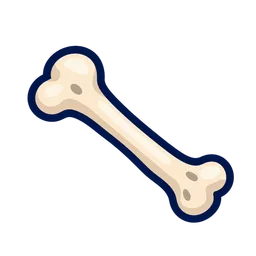

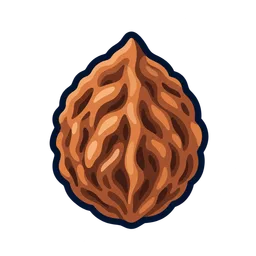
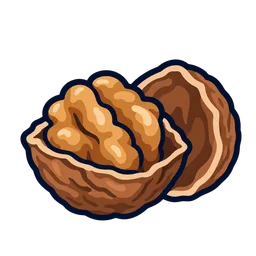
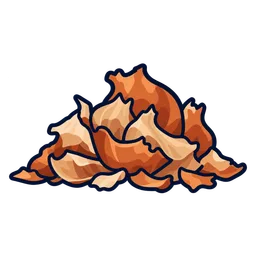
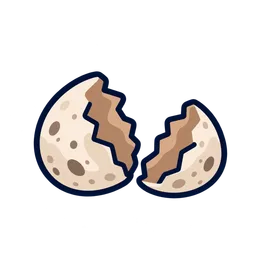
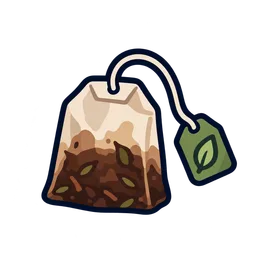
Even though they come from food, residues in these four groups must go in the regular volume-based bag.
(1) Animal bones and shellfish shells
- Items: beef, pork, chicken and duck bones; thick fish bones; clam, mussel, oyster and cockle shells; crab and crayfish shells
- Why: They wear down shredder blades and are a main cause of machine stoppages. Bone or shell fragments in feed can pierce an animal’s gullet and stomach.
(2) Hard fruit pits and nut shells
- Items: peach, apricot, plum, persimmon and cherry pits; walnut, chestnut, peanut and acorn shells; coconut husks
- Why: They are hard and woody, so they barely ferment and don’t grind down in shredders.
(3) Tough fibrous or pungent vegetable scraps
- Items: onion, garlic, ginger and corn husks; corn silk; green onion and scallion roots; chili seeds and stems
- Why: Lignin and insoluble fiber are too high for livestock to digest, and pungent compounds (allicin, capsaicin) make animals eat less of the feed.
(4) Calcium shells and processing residue
- Items: chicken, quail and duck eggshells; herbal medicine residue; coffee grounds; tea bags (including the tea leaves)
- Why: Eggshells are calcium carbonate with no feed value, and tea bags contain paper or nylon fibers that contaminate compost.
3. Quick table of confusing items
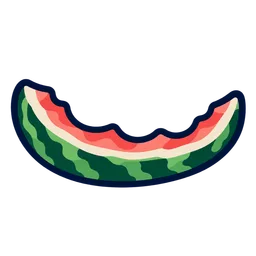

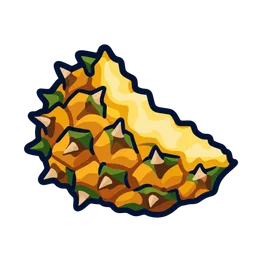
Item rules differ slightly by local ordinance. The table below shows the common standard, so also check your city or district’s guide.
| Item | Correct channel | Why |
|---|---|---|
| Watermelon, melon and banana peels | Food waste | Soft, easy to shred, can become feed or compost (cut watermelon rind small) |
| Apple, pear and orange peels | Food waste | Rich in organic matter, good for composting |
| Pineapple peel and core | Regular bag | Fibers are very tough and tangle the shredder |
| Onion and garlic skins | Regular bag | Indigestible fiber and pungent compounds |
| Eggshells and clam shells | Regular bag | Calcium carbonate (no feed value, damages machines) |
| Chicken bones and rib bones | Regular bag | Can’t be shredded and can injure livestock |
Summary
Ask yourself, “Could a dog, or a farm’s cows and pigs, eat this?” and most food waste decisions become easy.
Anything hard or tough, such as fibrous peels, shells and bones, goes in the regular bag. Chapter 4 covers the correct routes for gel ice packs and unused medicine, which threaten soil and water ecosystems.
Oiyo
Editorial DeskThe OIYO editorial desk researches money, law, lifestyle, and self-understanding topics against primary sources and public statistics. Every piece carries source notes and is reviewed on a regular cycle for accuracy and usefulness.